Residents of Eastern Ontario are reminded to be alert and safeguard themselves against the West Nile virus.
The Eastern Ontario Health Unit (EOHU) wants the public to remember that the West Nile virus is still present in the region and that anyone going outside in areas frequented by mosquitoes should still take precautions even as the autumn weather becomes cooler.
The EOHU maintains a monitoring program for West Nile virus in the region. Collection traps are scattered throughout the region to catch samples of the regional mosquito population. The mosquitoes are collected and tested for the presence of West Nile virus.
The latest sampling routine has resulted in a positive reading for West Nile virus in some of the mosquitoes that inhabit the region. The EOHU noted that this past summer has not resulted in any reports of people infected with West Nile virus.
« This finding shows that West Nile virus remains a concern in our area as long as mosquitoes are active, beyond September and well into the fall months, » stated Dr. Paul Roumeliotis, EOHU chief medical officer, in a news release. « Residents should be aware and take the necessary precautions to protect themselves and their families. »
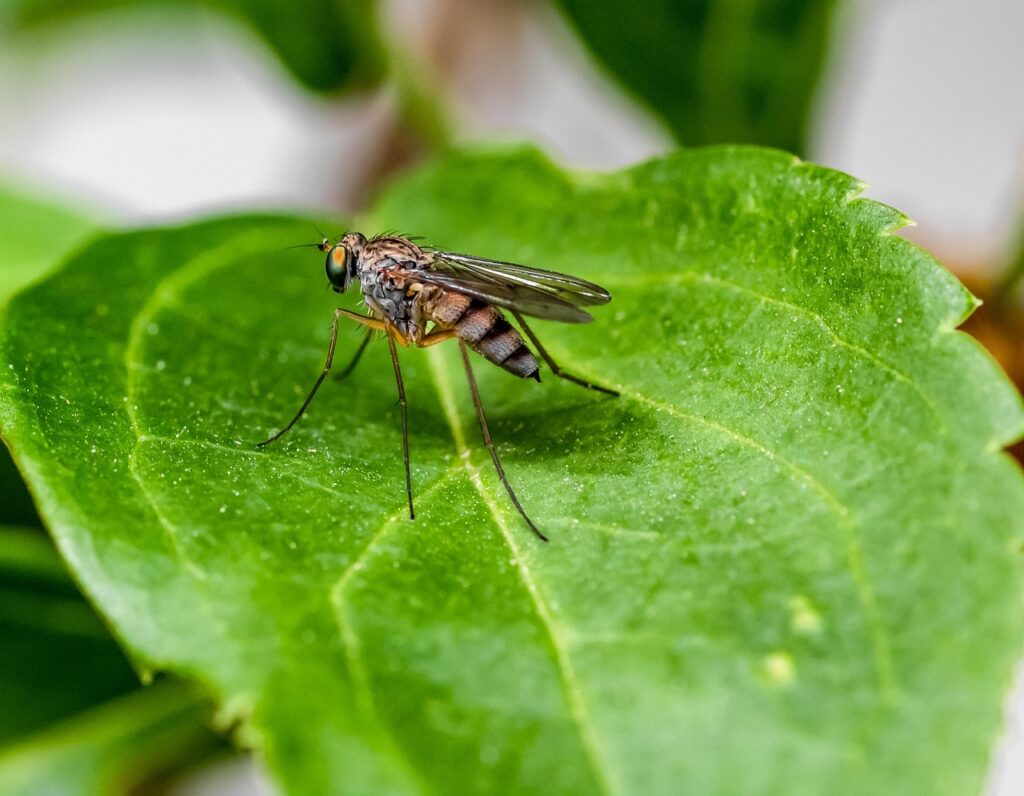
Mosquitoes infected with West Nile virus can infect humans by transmitting the virus into the bloodstream through a bite. The risk of illness for most people is very low but those who are more susceptible may experience symptoms similar to the flu or more severe symptoms that include headaches, fever, and fatigue. Mosquitoes may also be carriers of Eastern Equine Encephalitis, but this is a rare event though the disease can prove serious for infected humans.
To reduce the risk of West Nile or other viral infections from a mosquito bite, residents are advised to wear shoes, socks, pants and long-sleeved shirts or sweaters when outside doing yardwork, going for walks, or other activities when mosquitores may be present. Mosquitoes are most active between dusk and dawn though some may be active during the night if they sense the presence of humans nearby.
Clothing should be light-coloured and made of tight-woven fabric to reduce the chance of a mosquito penetrating to the skiin. Mesh bug jackets or hats are also recommended apparel in a mosquito-infested area. Use mosquito repellant at all times and if sleeping outdoors use mosquito netting or sleep in a screened structure.
Maintain a mosquito-free yard and garden by emptying any outdoor containers that have stagnant water where mosquitoes can breed. Change the water in bird baths every week, check swimming pools to make sure the water pump is circulating, and turn over any wading pools that are not in use.
Clear eaves troughs and drains of any debris preventing proper drainage. Keep the lawn mowed to prevent mosquitoes from breeding in tall and wet grass, trim dense shrubbery, and also collect and dispose of fallen leaves. Keep compost turned over and also fill in any low areas of the lawn. Make drainage ditches are clear and check roofs for any pools of rainwater.
More information on West Nile virus prevention is available at eohu.ca/WNV.